Reduce the cost of downtime and emergencies.
We start with the current cost: hours, waiting, rework, penalties, or risk. Then we decide whether an available product, custom software, automation, or integration is the right answer.
The economic opportunity can be calculated before building.
We do not publish savings percentages without knowing your volumes. In Discovery we quantify three variables you can verify.
- [ 01 ]HH
Weekly hours spent copying data, chasing approvals, and preparing reports.
- [ 02 ]CICLO
Time from request to close, including waiting, rescheduling, and repeat visits.
- [ 03 ]FALLO
Cost of downtime, errors, penalties, expediting, or evidence that cannot be found on time.
One shift without a system — and the same shift with a specified one.
Radio, spreadsheet, and the shift lead carrying the plant's memory.
The system remembers for the plant. The person releases what matters.
We choose the intervention by the result you need.
It may be an available product, an application, a targeted integration, or staged modernisation. Discovery keeps you from paying for a larger solution than necessary.
 [ 01 · CUSTOM ]
Custom software
Replace manual coordination and disconnected records with one system built around your process.
Explore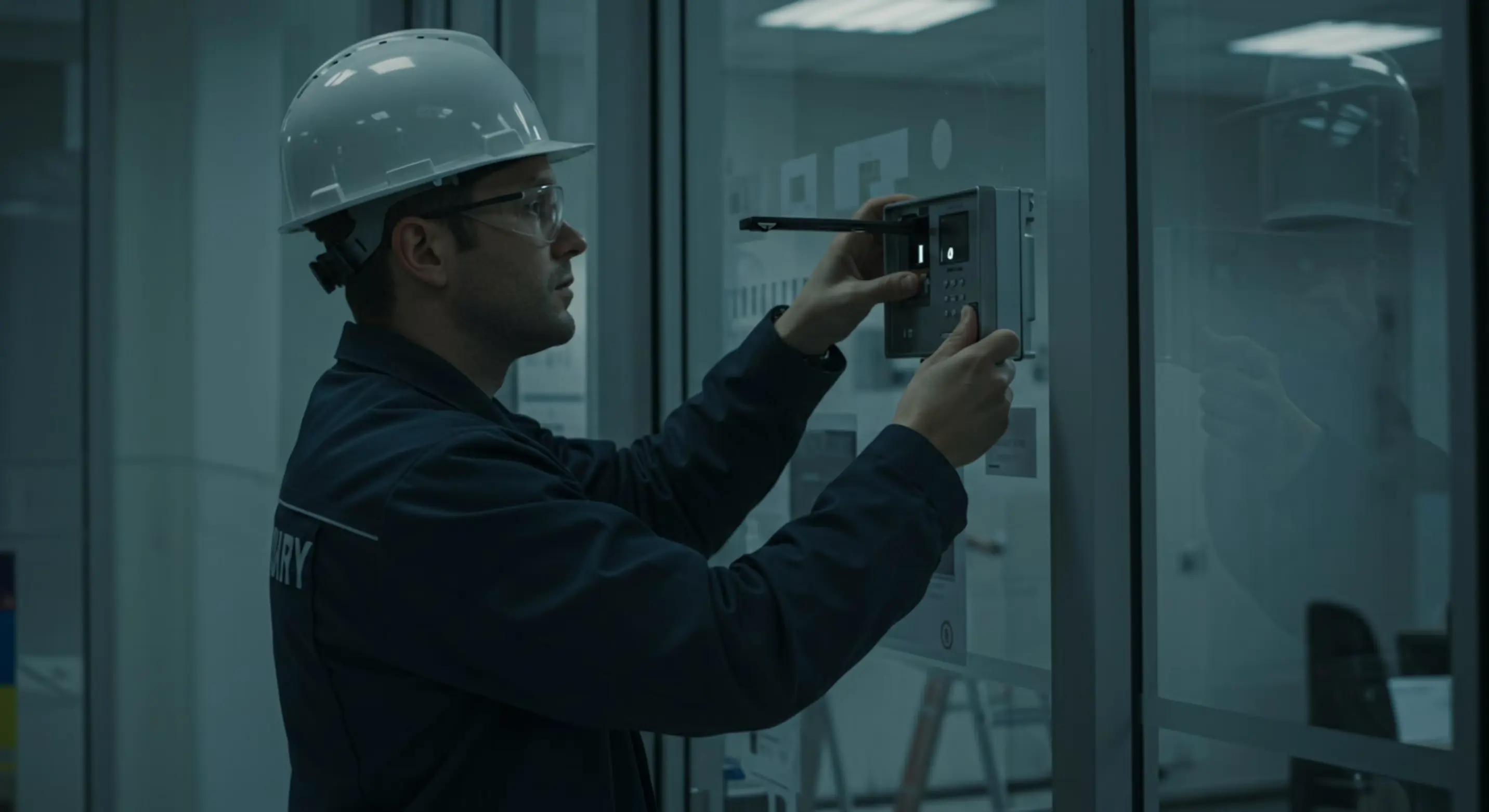 [ 02 · AGENTS ]
AI & intelligent agents
Automate reading, drafting, routing, and follow-up while people retain control of consequential approvals.
Explore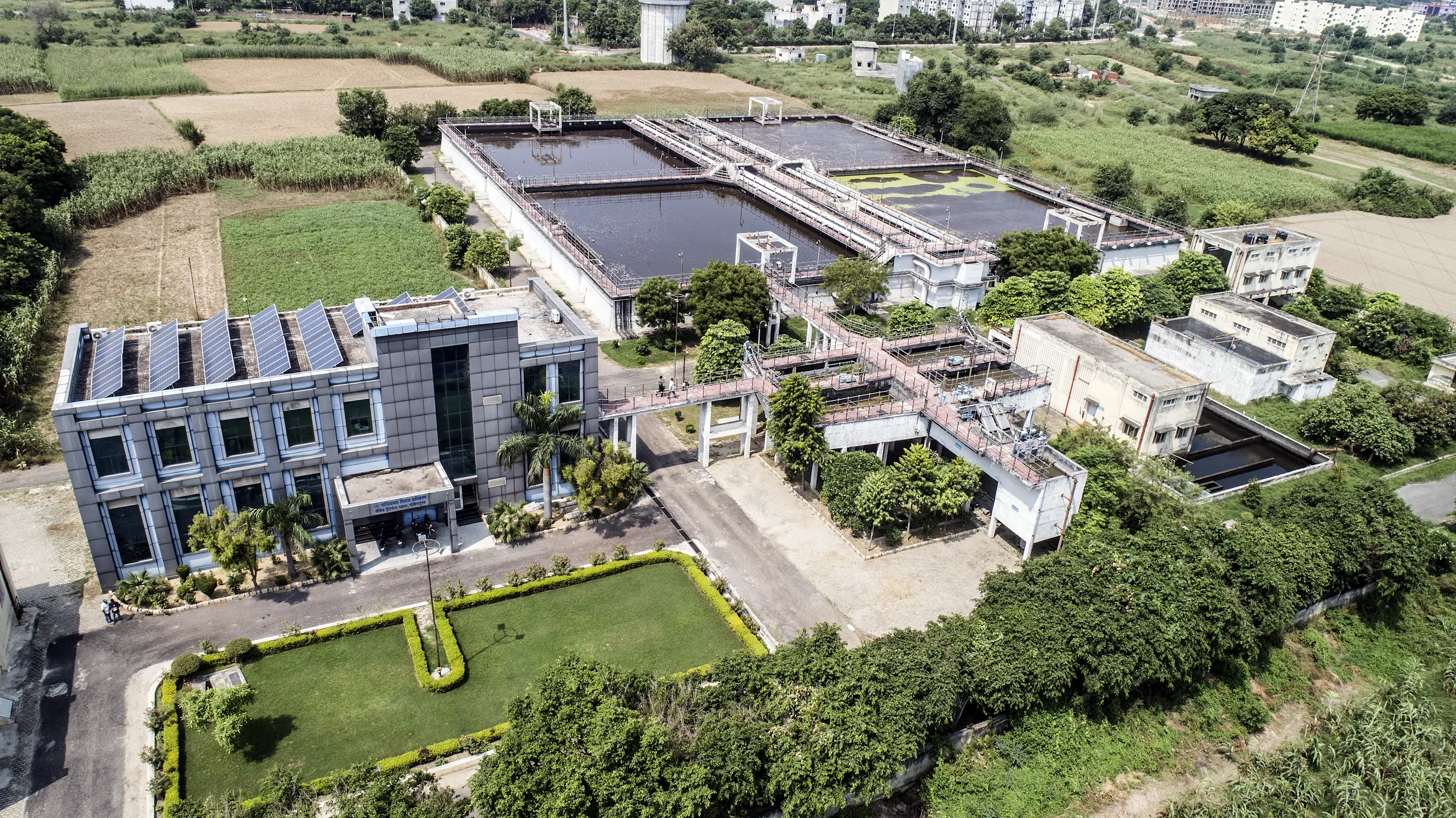 [ 03 · WEB ]
Web applications
Bring queues, records, decisions, and reporting into one controlled workspace for every role.
Explore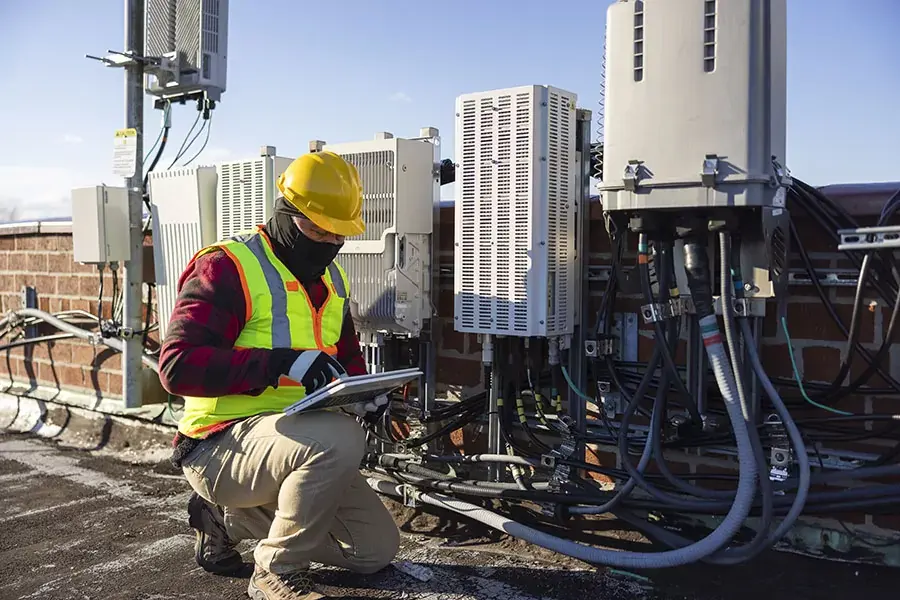 [ 04 · MOBILE ]
Mobile applications
Capture readings, photos, parts, and signatures on site, even when the connection disappears.
Explore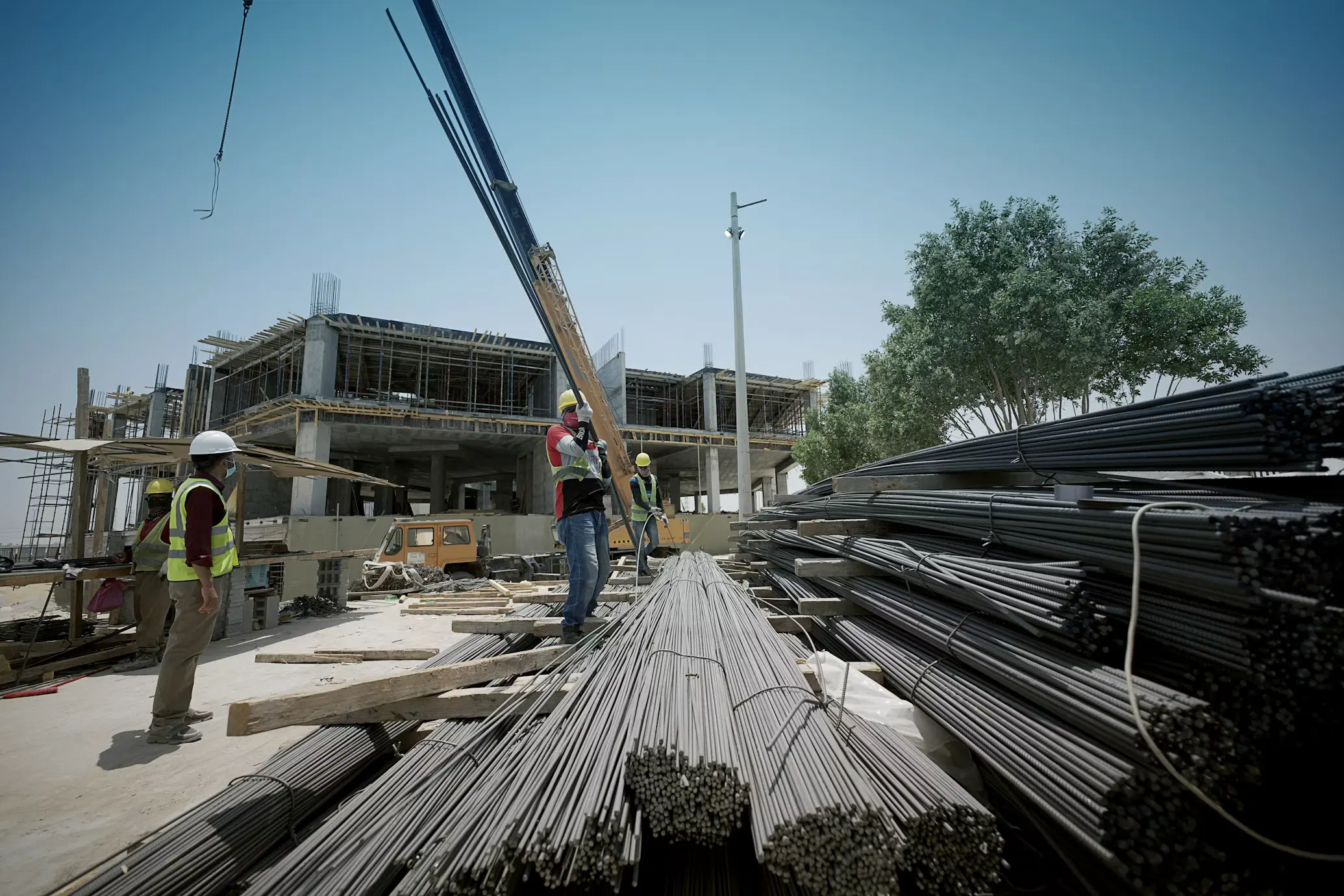 [ 05 · INTEG ]
Integrations & automation
Move approved data between ERP, CMMS, identity, historians, and customer systems without duplicate entry.
Explore [ 06 · MODERN ]
Software modernization
Replace slow, fragile systems in controlled stages while preserving data and daily continuity.
Explore
Six stages to build the right solution and prove its result.
From baseline and prototype through integration, deployment, and follow-up measurement. Every stage leaves a deliverable you can review.
How an operational need moves from diffuse cost to a measurable solution.
- 01
Discovery turns the problem into an investment decision.
We observe real cases and count hours, waiting, rework, and failures; then agree on a baseline and target outcome. The deliverable is a process map, priorities, risks, and estimated scope that operations and leadership can approve.
- 02
The workflow is tested before it is built in full.
We prototype states, permissions, and exceptions with real users, finding omissions while they are still inexpensive to correct.
- 03
Every case has an owner, status, and evidence.
Operations can see what is stopped, who decides, and what is missing; consequential approvals retain a human signature.
- 04
Capture happens where the work happens.
Photos, readings, parts, and signatures are recorded even offline; the office stops rebuilding what happened.
- 05
The result is compared with the baseline.
Adoption, cycle time, rework, and compliance remain measurable so the next phase can be expanded, adjusted, or stopped with evidence.
# Loop — Work orderrequest → plan → execute → close-outactors: planner, technician, shift leadgates: critical → human signatureidentity: SSO (Entra)data: asset, PM, part, evidenceevents: wo.created, wo.released, wo.closed
Whatever the operation, we specify around it.
Different plants, different crews, different audits — same specification discipline. Pick where the work lives and see the fit.
Assets, permits, PMs, and the record an auditor will ask for. We start at the tag.
Four operational products, specified by the same practice.
The products are already-shipped evidence that we can specify complex operational systems. Use them, or use them as proof.
View all productsHave an operation that generic software can't fit?
Bring the loop that is currently a spreadsheet. We will say whether this is custom software, a product, an agent — or not ours.